
01Packaging Decision Center

Matte vs Gloss Packaging Finish

Compare matte and gloss packaging presentation, contrast, handling and artwork impact before confirming a supported finish.

Buyer decision supportFoshan, Guangdong, China

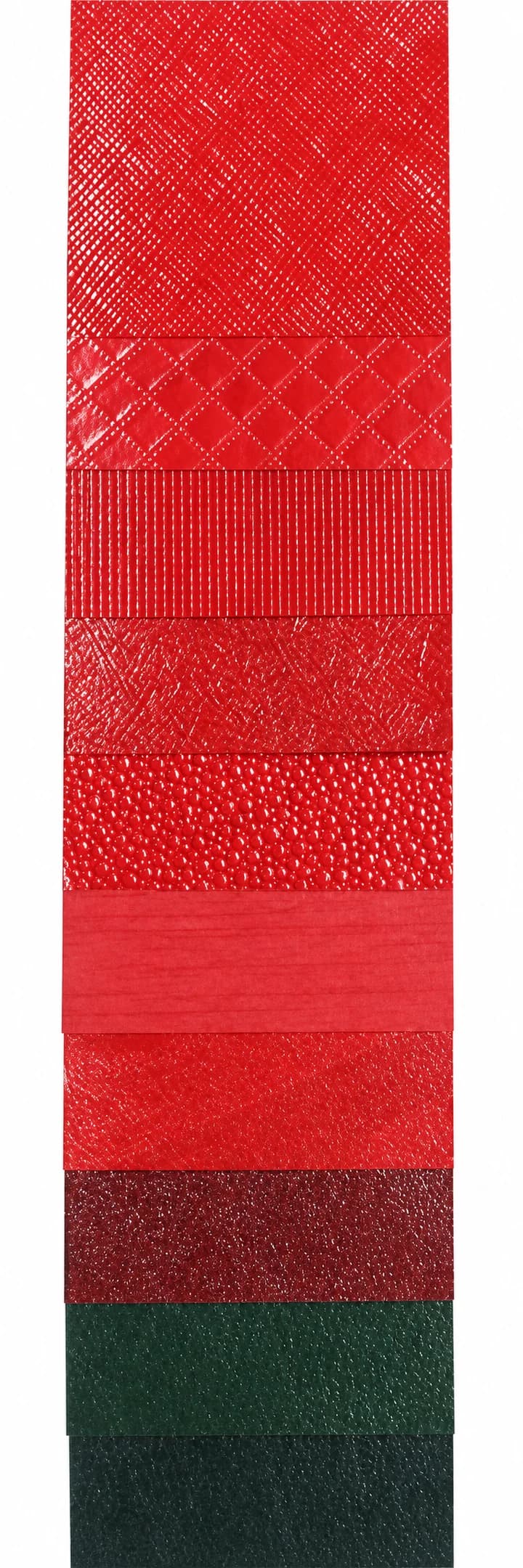
Glossy packaging paper surface reflecting light beside lower-sheen samples

Direct answer

What should a buyer know first?

Matte finishes reduce surface shine and can create a restrained presentation; gloss finishes increase reflectivity and visual contrast. The selected paper, dark ink coverage, handling and the exact supported finishing route can change the result, so approve a sample rather than relying on a render.

Comparison

Compare the decision factors

Appearance should be evaluated on the intended printed material.

FactorMatte directionGloss direction
Light responseLower reflectionMore visible reflection
Visual characterRestrained and softHigh-contrast and vivid
Artwork interactionCan soften apparent contrastCan intensify dark and saturated areas
Approval focusScuff/handling appearance and dark solidsReflection, glare and surface uniformity

02

Finish changes the whole surface

A finish is not a decorative label added after artwork is complete. It affects contrast, reflection, perceived color and how fingerprints or handling marks appear.

Review the package under the lighting where it will be sold or photographed. A highly reflective surface can look different under retail lighting than in a controlled mockup.

03

Confirm the supported route

Matte and gloss effects can be achieved through different materials and finishing routes. State the visual target and intended surface, then confirm which process is compatible with the selected board and structure.

Do not assume that every finish is suitable for every fold, window or adhesive area. Critical glue and score zones may need specific treatment in the production file.

04

Use artwork that anticipates the finish

Large dark areas, fine reversed type and small details deserve special attention. A matte surface can change apparent density; gloss can create reflections across fine information.

If selective contrast is desired, mark the exact areas and request a feasibility review rather than describing the pack only as premium or luxury.

05

Approval should be physical

Inspect color, sheen, fold areas and high-contact panels on the intended material. Record which sample and surface were approved so a later material change does not inherit the old approval.

The final finish route is confirmed only after its compatibility with the selected board and structure has been reviewed.

Buyer checklist

Put these details in the brief

  • Selected paper or board
  • Matte or gloss visual reference
  • Dark or high-coverage artwork areas
  • Fold, glue and window zones
  • Handling and display environment
  • Printed-sample approval need

Buyer questions

Frequently asked questions

Does matte always look darker?
Not always, but reduced reflection can change perceived color and contrast. Evaluate the actual printed surface.
Can every box be laminated?
Compatibility depends on material, structure and finishing route. Confirm the project-specific construction.
Which finish is better for photography?
The answer depends on lighting and desired reflection. Test the real surface in the intended photography setup.

Project-specific confirmation

Turn this decision into a packaging specification.

Send the product, dimensions, quantity, artwork status and destination. Unknown details can remain “to be confirmed.”

Request a Custom Packaging Quote