
01Packaging Decision Center

Folding Carton vs Corrugated Box

Choose between a folding carton and corrugated box by product load, pack size, presentation, insert needs and shipping role.

Buyer decision supportFoshan, Guangdong, China

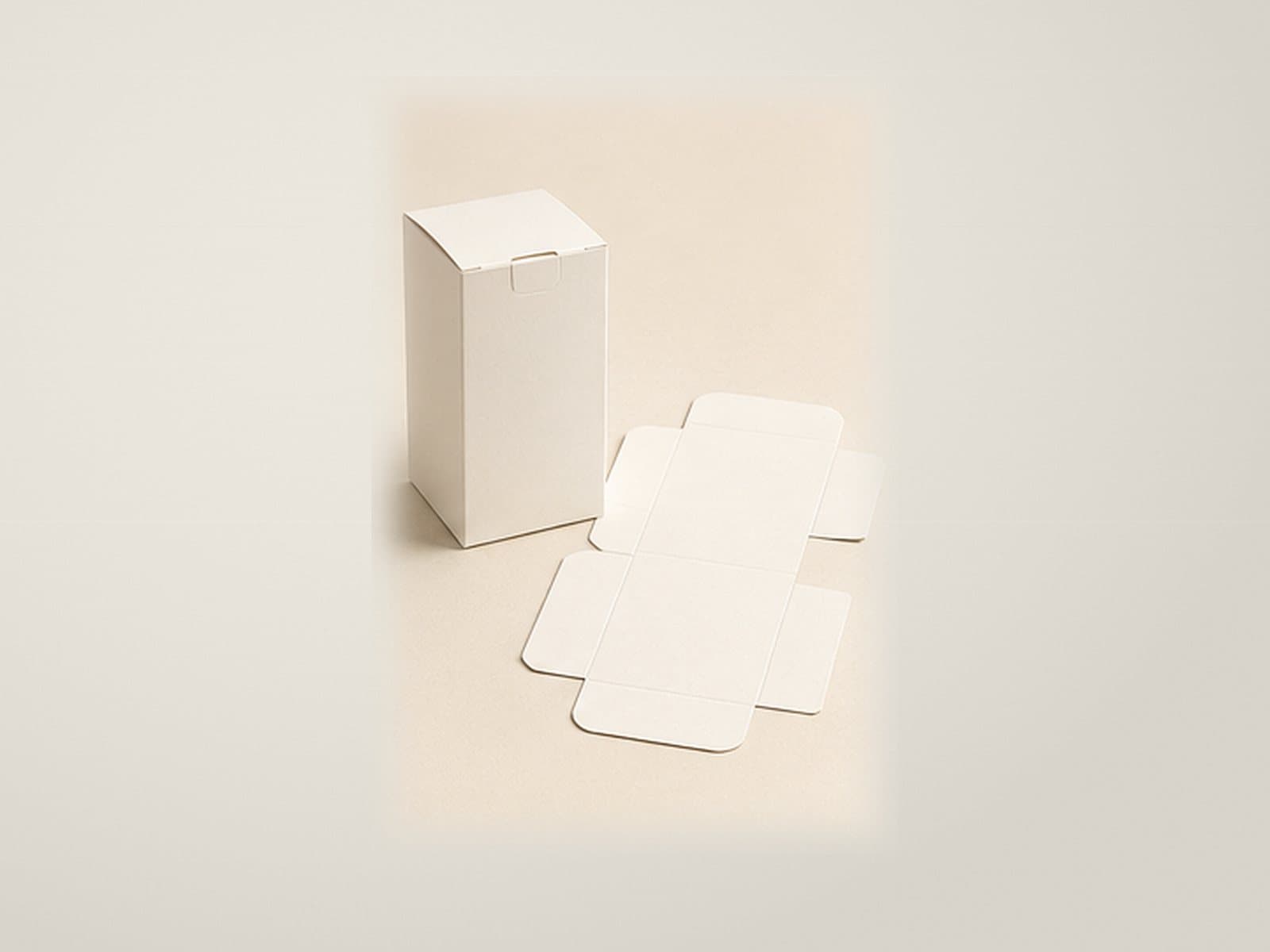
Folded paperboard carton shown as a compact retail packaging structure

Direct answer

What should a buyer know first?

A folding carton is a compact paperboard structure commonly used for retail presentation. A corrugated box uses a fluted board construction and is often selected when the pack needs more body, larger panels or a shipping/protective role. The product and delivery journey should decide the format.

Comparison

Compare the decision factors

Compare the complete pack system rather than the name alone.

CriterionFolding cartonCorrugated box
BoardPaperboardFluted corrugated board
Common roleRetail and presentation cartonMailer, shipper or protective pack
Storage before fillingOften supplied flatCan be flat or pre-assembled depending on design
Structure reviewScores, tabs and surface finishFlute direction, slots, tabs and board profile

02

Separate the retail pack from the shipping pack

A product can use both: a folding carton presents the item and a corrugated outer carton carries it through distribution. Define which layer the requested box represents.

If only one pack is planned, document the heaviest handling stage it must face. That prevents a presentation concept from being mistaken for a complete shipping solution.

03

Fit, scale and panel behavior

Small compact packs often suit folding-carton geometry. Larger panels or heavier contents may lead the discussion toward corrugated construction, but the exact structure still matters.

Windows, inserts and locking features introduce local stress. Their positions should be evaluated on the selected board rather than transferred unchanged from another material.

04

Artwork and finishing

Folding cartons offer a familiar surface for detailed retail graphics. Fine-flute corrugated structures can also support presentation printing, while retaining a different edge and board character.

Specify whether print is required inside, outside or both. Identify finishes such as lamination or embossing only where they belong in the project brief and confirm availability for the selected construction.

05

Choose through samples, not assumptions

Use a structural sample to verify product fit, assembly and closure. Use a printed sample when color, surface or fine artwork is a decision factor.

Link the approved sample to the exact carton or corrugated material specification used to make it.

Buyer checklist

Put these details in the brief

  • Retail carton, shipper or both
  • Product weight and panel dimensions
  • Flat-pack and assembly workflow
  • Window or insert requirements
  • Print and finish priorities
  • Sample approval criteria

Buyer questions

Frequently asked questions

Is a folding carton the same as a corrugated carton?
No. Folding cartons are generally paperboard structures; corrugated boxes use a fluted board construction.
Which is better for cosmetics?
It depends on product weight, presentation, insert and shipping system. A folding carton can suit compact retail presentation, while corrugated may suit a mailer or protective role.
Can both be custom printed?
Yes, subject to material, artwork and production route. Review the print on the intended surface.

Project-specific confirmation

Turn this decision into a packaging specification.

Send the product, dimensions, quantity, artwork status and destination. Unknown details can remain “to be confirmed.”

Request a Custom Packaging Quote