
01Packaging Decision Center

E Flute vs F Flute vs G Flute

Compare E, F and G flute corrugated board by profile, print surface, folding behavior and packaging use before requesting a custom structure.

Buyer decision supportFoshan, Guangdong, China

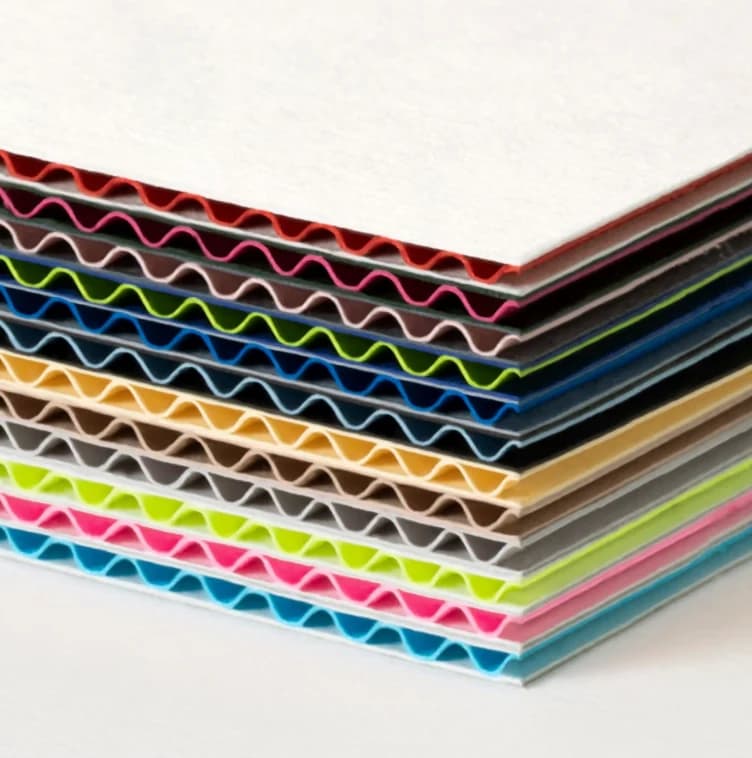
E F and G flute corrugated board samples showing different fine flute profiles

Direct answer

What should a buyer know first?

E, F and G flute are compact corrugated profiles used where appearance, fold geometry and board rigidity must be balanced. E flute generally provides the most substantial profile of the three; F and G flute move progressively toward a finer presentation surface. The right choice still depends on box style, product load, print route and converting trials.

Comparison

Compare the decision factors

A qualitative starting comparison; exact board construction is project-specific.

Decision factorE fluteF fluteG flute
Relative profileMore substantialFinerFinest of these three
Presentation surfaceGood balance of structure and printSmoother visual profileCompact presentation-focused profile
Folding behaviorAllow for a stronger board buildUseful for compact folding structuresUseful where tight folds and a fine edge matter
Typical discussionMailers, bakery boxes, protective structuresRetail cartons, food and cosmetic presentationCompact premium cartons and inserts

02

Start with the job the board must do

Flute selection should follow the packaging job, not a letter alone. A mailer carrying a product through distribution has a different priority from a cosmetic carton designed for shelf presentation. Product weight, unsupported spans, closure design and insert geometry all affect whether a compact flute is suitable.

Kehong works with E, F and G flute specialty corrugated paper, including colored and white kraft options already represented on this site. Those material choices can change both the visible surface and the way a structure converts.

  • Describe whether the box is for display, takeaway, mailing or an internal insert.
  • Share the product weight and how it sits inside the pack.
  • Identify the surfaces that need printing and the edges visible to the buyer.

03

Print surface and edge appearance

A finer flute can reduce the visual prominence of the corrugated profile, but the liner, ink coverage and printing route also influence the result. A smooth-looking board sample does not automatically predict the appearance of a different liner or color.

Review printed samples under the lighting and viewing distance relevant to the product. For brand-critical colors, supply the intended color specification and assess it on the actual selected surface rather than only on a screen.

04

Rigidity, folding and structure must be tested together

Board rigidity is not determined by flute letter alone. Liner construction, sheet direction, die-cut geometry, panel size and closure design work together. A finer profile may support a crisp compact fold, while a more substantial profile may be preferable when the structure needs more body.

A dieline should be reviewed after the board direction and construction are chosen. Scores, slots and locking tabs may need adjustment when the material changes.

05

Use a sample to close the decision

Ask for a structural sample when fit, closure, edge appearance or assembly is important. Place the real product inside, operate the closure, check visible edges and confirm that inserts do not create pressure points.

Record the selected flute and complete board construction on the approved project specification before production.

Buyer checklist

Put these details in the brief

  • Box style and intended use
  • Product dimensions, weight and orientation
  • Desired print and surface appearance
  • Visible edge and fold requirements
  • Insert or divider geometry
  • Sample and approval plan

Buyer questions

Frequently asked questions

Is one flute always better for printing?
No. Finer profiles can support a compact presentation surface, but liner choice, artwork, ink coverage and printing route also matter. Review the intended board and print together.
Can a flute letter confirm box strength?
No. Strength depends on the complete board construction, dimensions and box design. Treat the flute letter as one input, not an engineering guarantee.
Which flute should I request in an RFQ?
State your preferred flute if known, then include the product, use, dimensions, weight and visual priorities. Kehong can discuss E, F or G flute as a starting point.

Project-specific confirmation

Turn this decision into a packaging specification.

Send the product, dimensions, quantity, artwork status and destination. Unknown details can remain “to be confirmed.”

Request a Custom Packaging Quote