
01Packaging Decision Center

Window Box vs Closed Box

Compare window and closed packaging for product visibility, structure, artwork, packing and sample approval.

Buyer decision supportFoshan, Guangdong, China

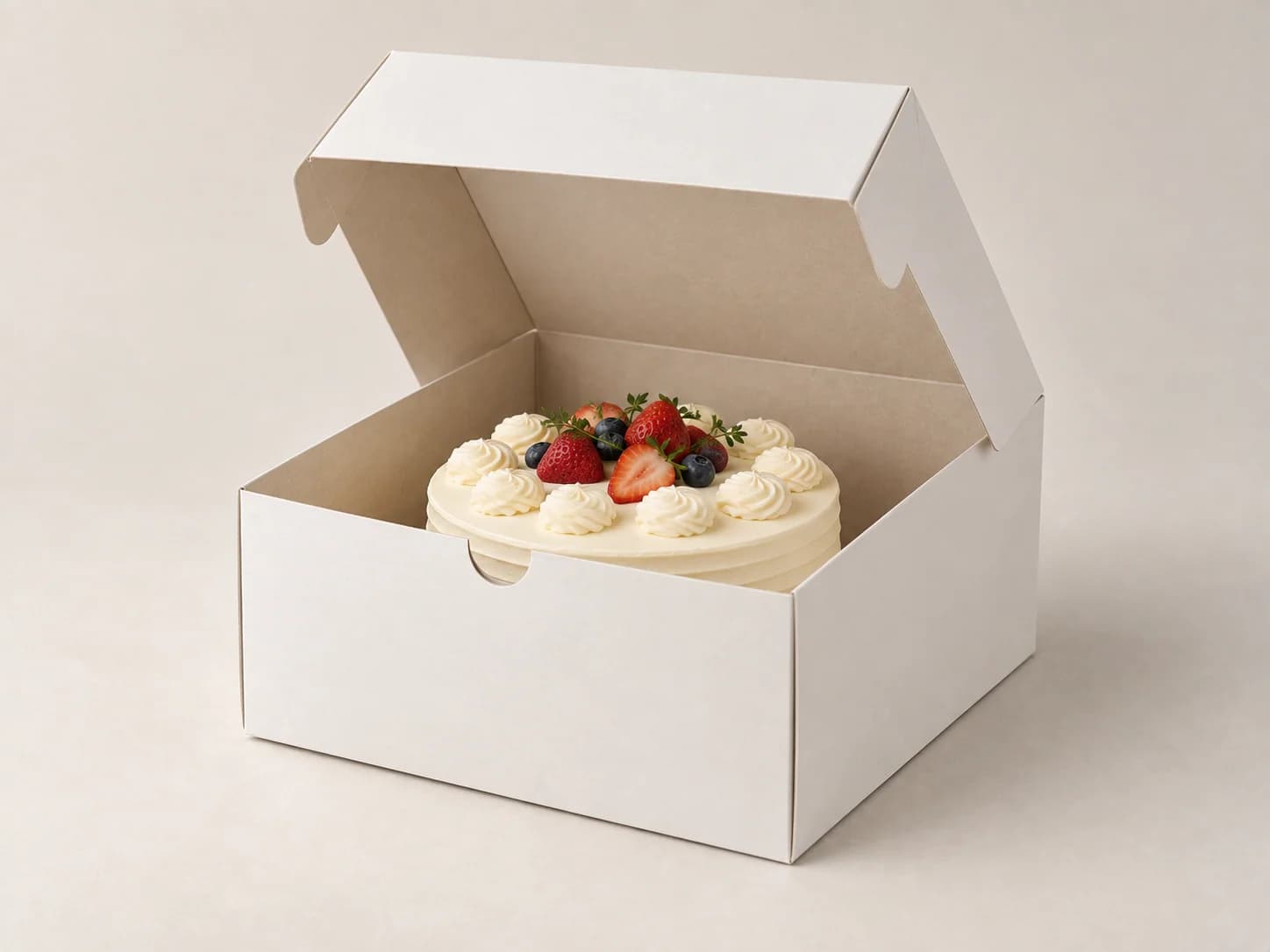
White bakery cake box with a clear product viewing window

Direct answer

What should a buyer know first?

A window box shows the product directly but removes board area and adds a cutout or window component that must be coordinated with the structure. A closed box provides a continuous print surface and hides product variation. Choose according to product presentation, panel strength, packing orientation and retail conditions.

Comparison

Compare the decision factors

The window is a structural feature as well as a visual choice.

FactorWindow boxClosed box
Product visibilityDirect view of the packed productCommunicated through print and opening
Panel designCutout affects available board areaContinuous board panel
ArtworkMust frame the openingFull panel available
Packing controlProduct orientation is immediately visibleMore visual tolerance inside the closed pack

02

Decide what the customer needs to see

A window can help when shape, finish or freshness is part of the purchase decision. It also reveals product orientation and variation, so the packing method must consistently present the product.

A closed box allows the artwork to set the visual expectation and can simplify panels where a large cutout would interfere with folds or load paths.

03

Place the window after the product

Use the real product, tray, cake board or insert to locate the visible area. A window positioned from an empty-box drawing can miss the product after packing.

Keep cutouts clear of essential scores, locks and glue areas. The exact clearance must follow the selected structure and converting review.

04

Specify the window requirement carefully

Clarify whether the request is for an open cutout or a window component, and which faces need visibility. Existing site capabilities should be reviewed against the exact application instead of assuming a universal window material.

For food applications, state direct or indirect contact conditions and request project-specific confirmation. Do not infer compliance from the word window.

05

Approve visibility and packing

Pack the actual product, close the sample and review it at shelf angle. Check that the product does not touch or distort the viewing area and that artwork aligns around the opening.

Window construction, contact conditions and final dimensions remain subject to the confirmed project brief.

Buyer checklist

Put these details in the brief

  • Product visibility objective
  • Actual product and tray/board dimensions
  • Window face and opening shape
  • Packing orientation
  • Artwork around the cutout
  • Contact and project requirements

Buyer questions

Frequently asked questions

Does a window make a box weaker?
A cutout removes board area, but the effect depends on size, position, material and structure. It should be reviewed on the actual dieline.
Can a window cross a fold?
That requires specific structural review. Keep proposed openings and components clear on the artwork file and confirm feasibility.
Is a closed box better for shipping?
Not automatically. Shipping suitability depends on the complete material and structure, not the absence of a window alone.

Next decision

Project-specific confirmation

Turn this decision into a packaging specification.

Send the product, dimensions, quantity, artwork status and destination. Unknown details can remain “to be confirmed.”

Request a Custom Packaging Quote