Paper, handle, print and quantity are the starting points for a paper bag discussion.
Direct answer
The short answer
A paper-bag quotation starts with four connected inputs: paper, handle, printing and quantity. Add the finished dimensions, packed product, opening, artwork status and destination so the team can separate appearance decisions from structure and packing assumptions. A quantity range is acceptable for an initial discussion, while the final quotation should identify every open assumption.
Buyer comparison
| Input | Confirm | Quotation impact |
|---|---|---|
| Paper | Visual preference and size | Sets the material starting point |
| Handle | Style and attachment | Defines structure and packing |
| Printing and quantity | Colors, artwork and range | Defines converting assumptions |
Paper choice follows the brief
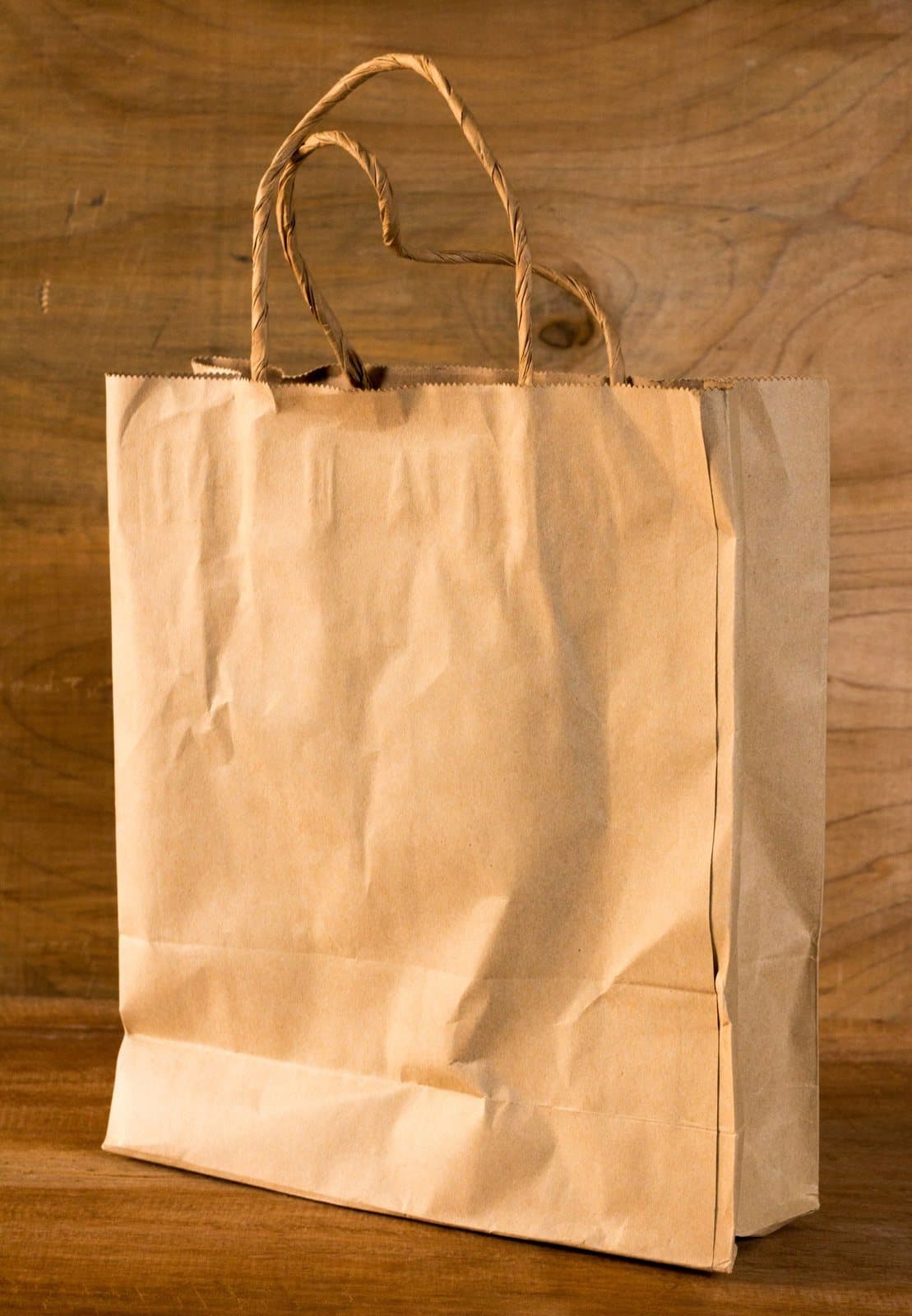
Record the bag dimensions, target appearance and intended handling before choosing a paper. Kraft and white paper create different visual starting points, while the final specification also depends on size, print coverage and packing method.
Handle and opening details
Name the handle style, attachment position and opening width. If the bag must fit a particular product or retail display, include the packed product dimensions and a reference image. These details keep the structural conversation concrete.
Printing, quantity and destination
Share print colors, artwork status, estimated quantity and target market. A quantity range is acceptable for the first conversation, but the quotation should identify which assumptions are still open.
When the brief is ready, Kehong can connect the paper bag structure with artwork preparation, sampling and packing review. No performance or certification statement should be inferred from the bag name alone.
Before you send the brief
- Bag dimensions and packed product
- Paper preference
- Handle style and attachment
- Print colors and artwork status
- Quantity, destination and sample needs
Sources
中文版本: 纸袋询价:纸张、提手、印刷和数量